Nick McGreivy

Weak baselines and reporting biases lead to overoptimism in machine learning for fluid-related partial differential equations

Nick McGreivy, Ammar Hakim · Nature Machine Intelligence, 2024

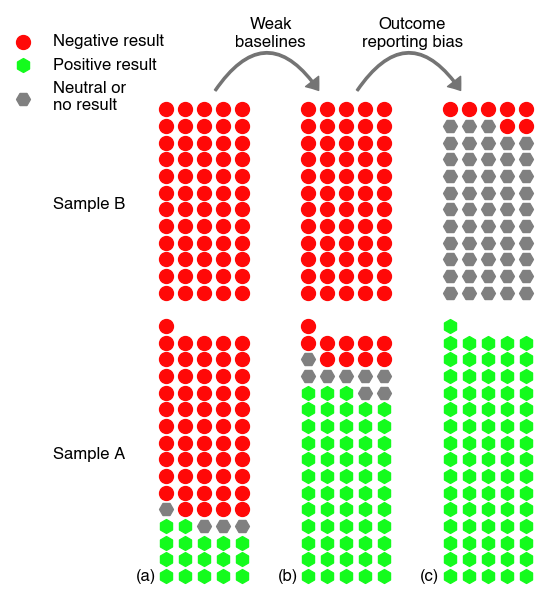
Performs a systematic review of the ML-for-PDE solving literature. Finds that 79% (60/76) of articles compare to weak baselines. Concludes that ML-for-PDE solving research is systemically overoptimistic.
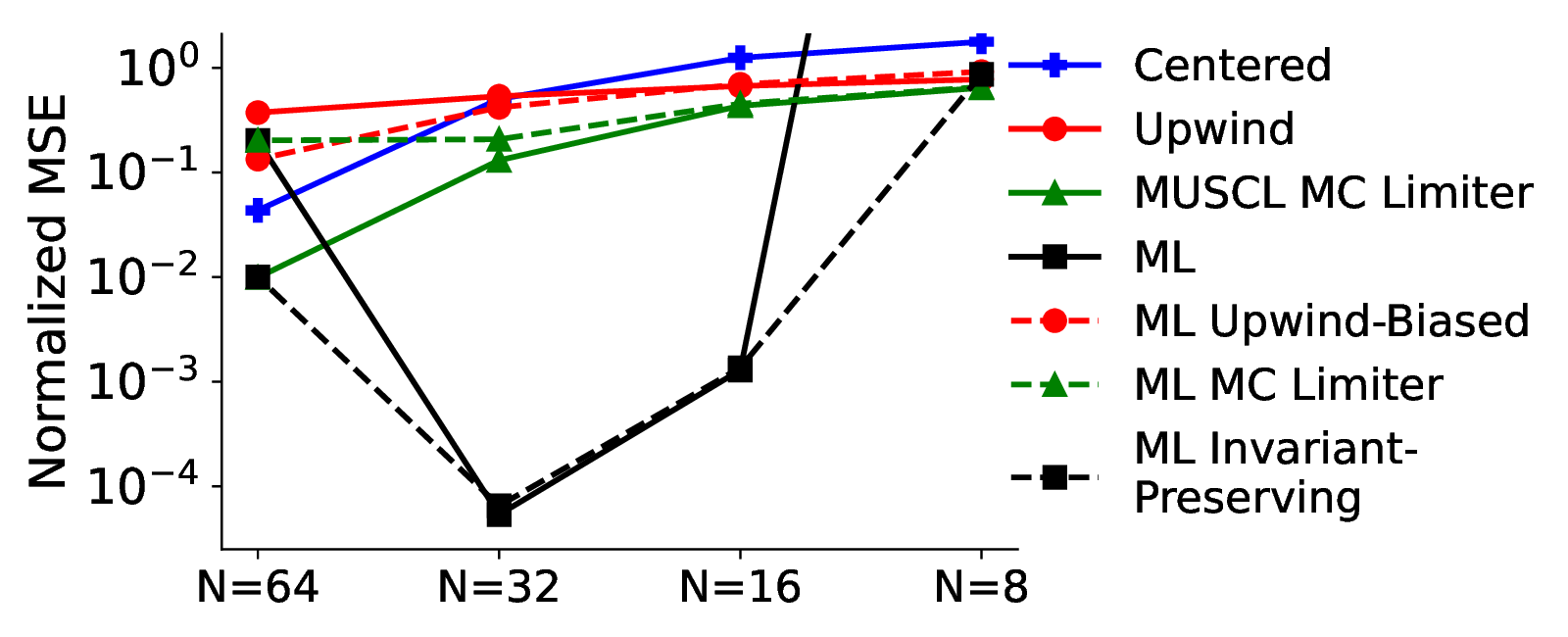
Invariant preservation in machine learned PDE solvers via error correction

Nick McGreivy, Ammar Hakim · arXiv, 2023

An algorithm for constraining ML-PDE solvers to satisfy conservation laws and other physical invariances, without restricting the network architecture or losing accuracy.

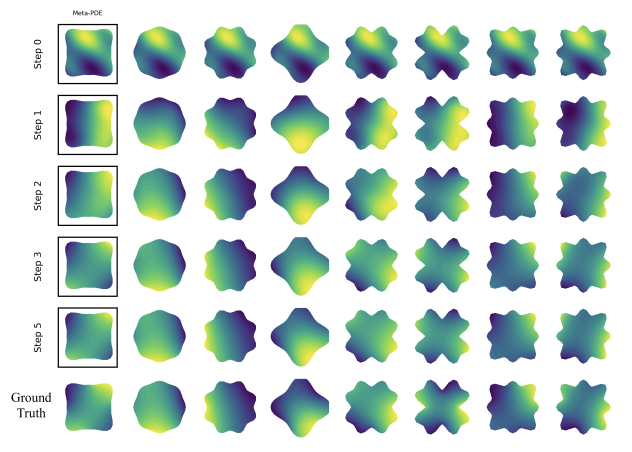
Meta-PDE: Learning to Solve PDEs Quickly Without a Mesh

Tian Qin, Alex Beatson, Deniz Oktay, Nick McGreivy, Ryan P. Adams · arXiv, 2022

A meta-learning approach for solving PDEs with neural networks. Amortizes the cost across varying boundary conditions, parameters, and geometries.

Computation of the Biot–Savart line integral with higher-order convergence using straight segments

Nick McGreivy, Caoxiang Zhu, Lee Gunderson, Stuart R. Hudson · Physics of Plasmas, 2021

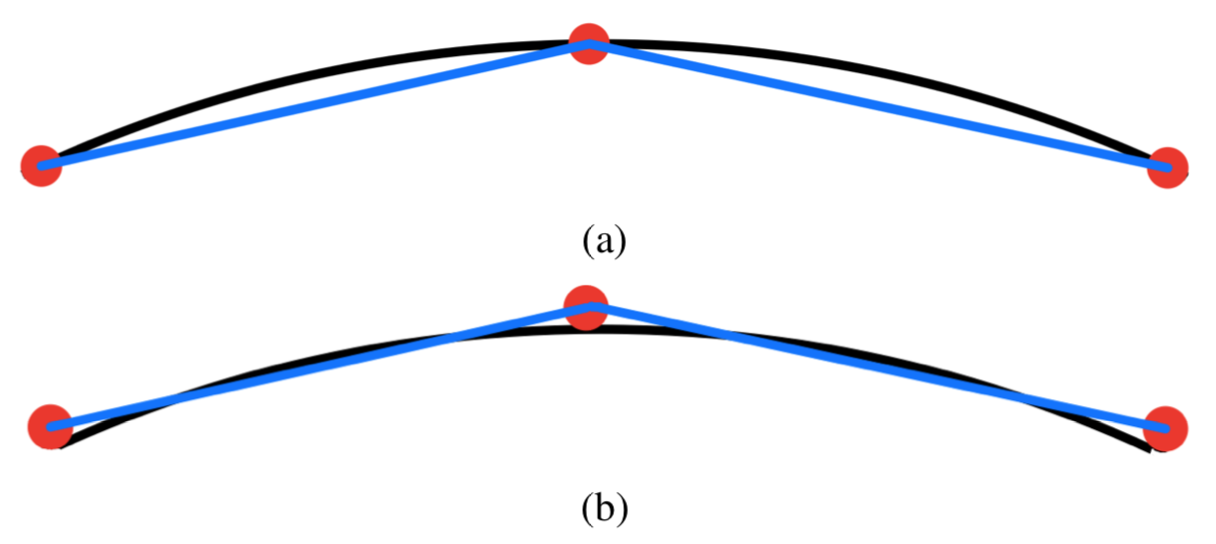
Improves a standard algorithm for converting the Biot-Savart law from second-order to fourth-order accuracy. Useful for fast, accurate magnetic field computation.

Optimized finite-build stellarator coils using automatic differentiation

Nick McGreivy, Stuart R. Hudson, Caoxiang Zhu · Nuclear Fusion, 2021

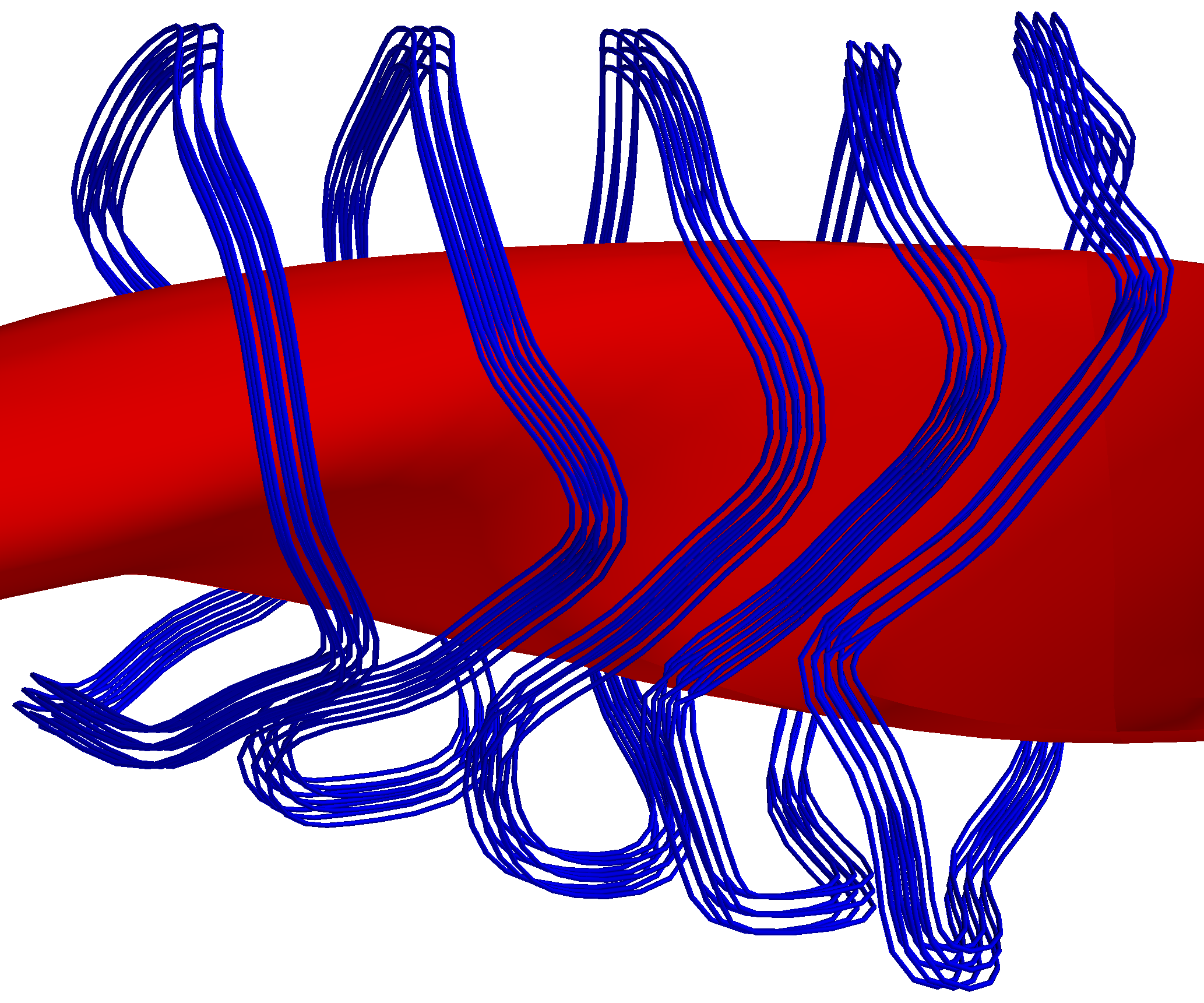
Describes FOCUSADD, a stellarator coil-design code that optimizes finite-build coils via gradient-based methods. Introduced autodiff to the stellarator optimization community.

Randomized Automatic Differentiation

Deniz Oktay, Nick McGreivy, Joshua Aduol, Alex Beatson, Ryan P. Adams · ICLR 2021 (Oral)

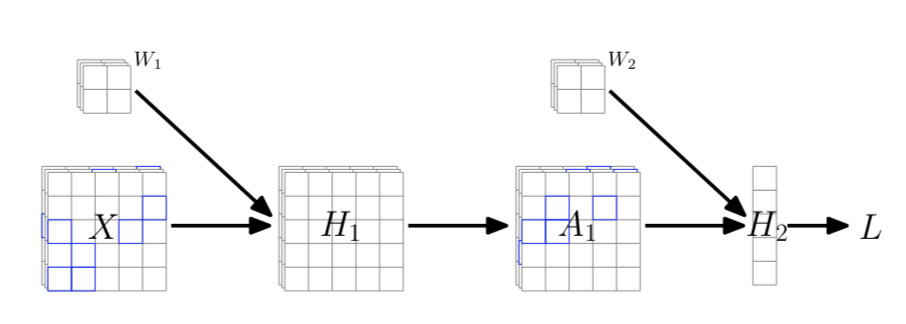
A stochastic gradient approximation framework that reduces the memory cost of reverse-mode AD by sparsifying the computational graph. Trades exactness for memory savings in ReLU networks.